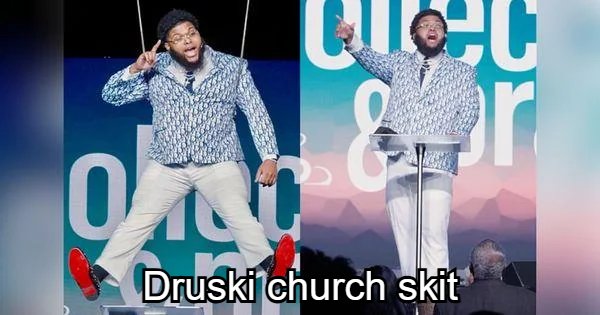
When people search for “druski church skit,” they are usually looking for one specific thing: that unforgettable, wildly accurate, and slightly chaotic comedy moment created by Druski. Known for his sharp observational humor and larger-than-life characters, Druski has built a reputation for turning everyday cultural experiences into viral gold. The church skit is a perfect example of how he blends exaggeration with realism to create something both hilarious and uncomfortably relatable.
Druski, whose real name is Drew Desbordes, has mastered the art of social media sketch comedy. Through platforms like Instagram and YouTube, he has cultivated a massive following by leaning into cultural nuances that many comedians overlook. The church skit stands out because it taps into a shared experience for many viewers, particularly those familiar with high-energy Sunday services.
In this article, we are going to break down why the Druski church skit works so well, how it reflects his broader comedic style, and why it resonated so strongly across the internet. More importantly, we will explore what it says about modern comedy, cultural storytelling, and Druski’s evolving influence.
The Concept Behind the Druski Church Skit
At its core, the Druski church skit is built on exaggeration rooted in truth. The setting is familiar: a lively church service with dramatic preaching, intense reactions from the congregation, and over-the-top emotional moments. Druski takes these recognizable elements and amplifies them just enough to create comedy without completely disconnecting from reality.
One of the most impressive aspects of the skit is how well it captures the rhythm and cadence of certain preaching styles. The rising voice inflections, the call-and-response dynamic, and the dramatic pauses are all executed with precision. This is not random humor; it is informed observation. That level of detail is what makes the sketch feel authentic rather than lazy or forced.
The skit also plays on social dynamics within church culture. From the overly enthusiastic member shouting responses to the dramatic fainting or exaggerated spiritual reactions, every character feels like someone viewers have seen before. The humor works because it is rooted in shared cultural memory. Druski is not Druski Church Skit faith itself; he is highlighting the performative aspects that can sometimes emerge within religious spaces.
Why It Went Viral So Quickly
Viral content usually has three ingredients: relatability, timing, and shareability. The Druski church skit checks all three boxes effortlessly. The relatability factor is obvious. For many viewers, especially those who grew up attending energetic church services, the skit feels like a comedic documentary.
Timing also played a key role. In an era where short-form video dominates online platforms, skits that deliver immediate laughs have a significant advantage. Druski understands pacing. He does not drag the joke; he escalates it quickly and delivers punchlines with confidence. That economy of delivery makes his content easy to watch and rewatch.
Shareability might be the most powerful factor. People did not just watch the church skit—they tagged friends, reposted clips, and quoted lines. When content sparks a “this is so us” reaction, it spreads naturally. The comment sections often become mini-community spaces where viewers share their own Druski Church Skit experiences, reinforcing the skit’s cultural relevance.
Druski’s Comedic Style: Observational and Character-Driven
To Druski Church Skit the church skit fully, you have to understand Druski’s broader comedic approach. He thrives on character-driven humor. Rather than relying solely on one-liners, he embodies personalities. Whether it is a hyper-confident promoter, an exaggerated coach, or a dramatic churchgoer, his characters feel distinct and layered.
This style aligns with the tradition of observational comedy but modernized for social media. Classic comedians built entire stand-up routines around shared cultural quirks. Druski condenses that same technique into short digital sketches. The church skit demonstrates his ability to distill a complex social environment into a few minutes of structured chaos.
Another strength is his commitment to performance. Physical comedy plays a significant role in the church skit. Facial expressions, body movements, and vocal intensity amplify the humor. Even without sound, many of the visual cues would still land. That is the mark of a well-rounded comedic performer.
Cultural Commentary Without Crossing the Line
Comedy that touches on religion can easily become controversial. However, the Druski church skit avoids unnecessary offense by focusing on behavior rather than belief. The humor comes from exaggerating human tendencies—enthusiasm, dramatics, performative spirituality—not from attacking faith itself.
This distinction is crucial. Effective satire often highlights cultural quirks while maintaining respect for the underlying institution. Druski’s approach feels more like playful teasing from someone familiar with the environment than harsh criticism from an outsider. That nuance is likely one reason the skit was widely embraced instead of heavily criticized.
Furthermore, the sketch invites self-reflection. Many Druski Church Skit laugh because they recognize themselves or someone they know in the characters. That kind of humor creates connection rather than division. It says, “We have all seen this,” instead of, “Look how ridiculous this is.”
The Role of Social Media in Amplifying the Skit
The success of the Druski church skit cannot be separated from the power of social media algorithms. Platforms reward engagement, and comedy that triggers strong reactions—laughter, nostalgia, shock—tends to perform exceptionally well.
Short-form platforms prioritize content that hooks viewers in the first few seconds. Druski’s exaggerated delivery style ensures immediate engagement. There is no slow buildup. The energy is high from the start, making it nearly impossible to scroll past without watching.
Additionally, social media has changed how comedy is consumed. Instead of traditional stand-up specials or television sketches, audiences now experience humor in bite-sized segments. Druski has mastered this format. The church skit feels perfectly engineered for digital sharing, from quotable moments to replay-worthy reactions.
Audience Reactions and Cultural Impact
Audience response to the Druski church skit was overwhelmingly positive. Viewers flooded comment sections with personal stories, inside jokes, and praise for how accurately he portrayed certain church dynamics. That kind of engagement signals more than amusement; it signals cultural resonance.
The skit also reinforced Druski’s brand as a comedian who understands community-specific humor. He is not creating generic sketches; he is targeting very particular cultural experiences. That specificity strengthens his connection with audiences who feel seen and understood.
Over time, moments like the church skit contribute to a comedian’s legacy. Viral sketches become reference points in internet culture. They are reposted, remixed, and quoted long after the original upload. In many ways, the church skit is one of those defining pieces that showcases Druski at his sharpest.
What the Skit Reveals About Modern Comedy
The Druski church skit highlights an important shift in comedy: authenticity matters more than polish. Viewers respond to material that feels organic and rooted in lived experience. High production value is secondary to relatability and timing.
It also demonstrates the growing importance of niche cultural humor. Rather than trying to appeal to everyone, modern comedians often succeed by appealing deeply to specific groups. Ironically, that specificity can create broader appeal because authenticity travels further than forced universality.
Finally, the skit reinforces the idea that digital comedians are reshaping the entertainment industry. Traditional gatekeepers no longer control who becomes influential. With consistency and cultural insight, creators like Druski can build massive platforms independently.
Final Thoughts
The phrase “druski church skit” represents more than a viral video. It represents a moment where cultural observation, performance skill, and digital timing aligned perfectly. Through exaggerated yet accurate portrayals, Druski turned a familiar church experience into a shared internet event.
What makes the skit memorable is not just the laughter it generates, but the recognition it sparks. Viewers see elements of their own experiences reflected back at them in comedic form. That recognition builds connection, and connection builds loyalty.