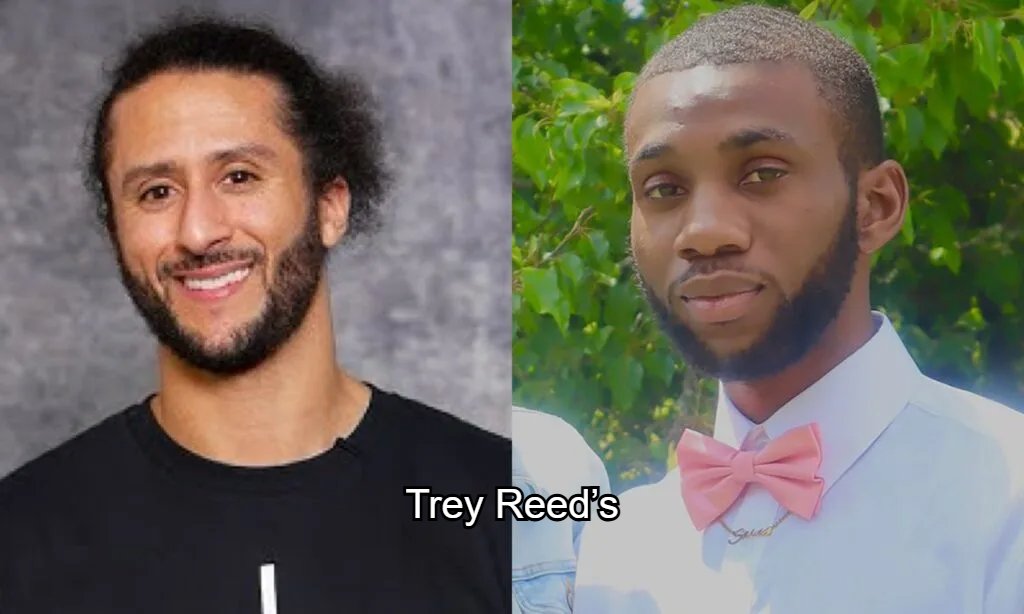
When discussing influential figures in modern outdoor journalism and conservation storytelling, Trey Reed is a name that carries weight. Known for his thoughtful writing, deep understanding of wildlife management, and commitment to conservation ethics, Trey Reed has built a reputation that extends well beyond the hunting and outdoor communities.
Rather than chasing sensational headlines, Reed has consistently focused on substance. His work reflects a rare balance between tradition and science, personal passion and public responsibility. That combination has positioned him as a trusted communicator in conversations surrounding conservation policy, wildlife sustainability, and the cultural significance of outdoor heritage.
In this article, we will explore who Trey Reed is, his professional journey, his impact on conservation dialogue, and why his voice remains relevant in today’s complex environmental landscape.
The Professional Background of Trey Reed
Trey Reid has established himself as a seasoned journalist and communications professional specializing in outdoor recreation and conservation issues. While many outdoor writers focus primarily on gear reviews or hunting stories, Reed’s work consistently dives deeper into the science and policy behind wildlife management.
Throughout his career, he has been closely associated with the Arkansas Game and Fish Commission, where he has played a key role in communications and outreach. In that capacity, Reed has helped bridge the gap between scientific research, regulatory frameworks, and the general public. That is no small task. Wildlife management often involves complicated decisions that must balance ecological health, public interest, and economic considerations.
Reed’s professional strength lies in his ability to translate technical information into clear, engaging narratives. He does not oversimplify complex issues, but he makes them accessible. Whether explaining seasonal hunting regulations or detailing habitat restoration efforts, his writing demonstrates both expertise and clarity.
Another important aspect of his career is credibility. In a field where misinformation can spread easily, particularly around environmental policies, Reed’s voice stands out as measured and evidence-based. That credibility has made him a trusted source for outdoor enthusiasts, policymakers, and conservation advocates alike.
A Commitment to Conservation Ethics

One of the defining features of Trey Reed’s work is his emphasis on conservation ethics. Hunting and conservation are often misunderstood in public discourse. Reed has consistently articulated the connection between regulated hunting and sustainable wildlife populations.
In his writing, conservation is not framed as a buzzword. Instead, it is presented as a practical, science-driven discipline. Reed highlights how funding from hunting licenses and excise taxes supports habitat management, species research, and ecological restoration. This financial structure is foundational to wildlife agencies across the United States, and Reed has helped many readers understand its importance.
He also emphasizes responsibility. Ethical hunting practices, respect for wildlife, and adherence to regulations are recurring themes in his commentary. Reed avoids romanticizing the outdoors in a way that ignores accountability. Instead, he portrays outdoor recreation as both a privilege and a responsibility.
This balanced approach matters in today’s polarized environmental conversations. Rather than positioning conservation as an ideological battleground, Reed frames it as a shared goal grounded in science and stewardship.
Storytelling That Reflects Outdoor Culture
Trey Reed’s writing does more than communicate regulations and policies. It captures the cultural fabric of the outdoor community. He understands that for many people, hunting and fishing are not merely recreational activities but deeply rooted traditions passed down through generations.
His storytelling often weaves personal experiences with broader environmental themes. This narrative style makes his work relatable while maintaining intellectual depth. Readers feel both informed and connected.
Importantly, Reed does not rely on clichés. His descriptions of the natural world are vivid yet grounded. He avoids exaggeration and instead focuses on authenticity. That authenticity builds trust, especially among readers who have firsthand experience in the outdoors.
By respecting both tradition and science, Reed creates a bridge between older generations of outdoorsmen and younger audiences who may be entering the field with new perspectives and concerns about sustainability.
The Role of Communication in Wildlife Management
Effective wildlife management depends heavily on public understanding. Regulations, conservation strategies, and policy shifts can easily be misunderstood if not communicated clearly. This is where Trey Reed’s role becomes especially significant.
As a communications professional, he has helped interpret data-driven decisions for the public. For example, when wildlife agencies adjust harvest limits or implement new conservation measures, those decisions are typically based on population studies, habitat assessments, and long-term sustainability models. Without proper explanation, such changes can be controversial.
Reed’s expertise lies in contextualizing these decisions. He explains not just what is changing, but why it is changing. That transparency fosters trust between regulatory agencies and the communities they serve.
Moreover, his communication style avoids condescension. He recognizes that many outdoor enthusiasts possess extensive knowledge and experience. Rather than lecturing, he engages in dialogue, reinforcing the idea that conservation is a collective effort.
Navigating Modern Challenges in Conservation
The conservation landscape is evolving rapidly. Climate change, urban expansion, shifting public attitudes toward hunting, and technological advancements all create new challenges for wildlife management.
Trey Reed’s commentary reflects an awareness of these changes. He acknowledges that traditional practices must adapt in response to modern realities. Habitat fragmentation, for example, requires innovative management strategies and cross-sector collaboration.
He also addresses misconceptions about hunting’s role in conservation. In an era where social media amplifies polarized opinions, Reed’s calm, fact-based explanations provide necessary clarity. He often highlights data demonstrating how regulated hunting supports ecological balance rather than undermining it.
Another emerging challenge is generational engagement. As fewer young people grow up in rural settings, interest in hunting and fishing may decline. Reed recognizes the importance of outreach and education to sustain conservation funding models that depend on participation.
Influence Beyond the Outdoor Community
Although Trey Reed’s primary audience includes hunters and anglers, his influence extends further. Policymakers, educators, and environmental professionals also engage with his work.
His ability to present nuanced perspectives makes him valuable in policy discussions. Instead of framing issues in binary terms, Reed acknowledges complexity. He recognizes that wildlife management often requires compromise and evidence-based decision-making.
Additionally, his writing serves as an educational tool. Students studying environmental science or public policy can gain practical insights into how conservation functions at the state level. Reed’s work demonstrates how theory translates into real-world action.
By maintaining professionalism and avoiding sensationalism, he has built credibility that resonates across diverse audiences.
Why Trey Reed’s Voice Still Matters
In a digital age flooded with content, authoritative voices are increasingly important. Trey Reed’s consistent focus on accuracy, ethics, and thoughtful storytelling sets him apart.
He represents a model of responsible journalism—one that prioritizes informed discussion over viral appeal. That approach may not always generate dramatic headlines, but it fosters long-term trust.
Moreover, his work reinforces a crucial idea: conservation is not a static achievement. It is an ongoing process that requires education, participation, and transparency. By communicating clearly and respectfully, Reed contributes to that process in meaningful ways.
As debates around environmental policy continue to intensify, professionals like Trey Reed play an essential role in grounding conversations in facts rather than rhetoric.
Final Thoughts
Trey Reed exemplifies what expert-driven, community-focused journalism can accomplish. Through his work in outdoor communication and conservation advocacy, he has helped countless individuals better understand the relationship between wildlife management, public policy, and outdoor heritage.
His writing reflects both passion and discipline. He celebrates the outdoors without ignoring its complexities. He supports conservation without turning it into ideology. Most importantly, he communicates in a way that respects his audience’s intelligence.